
Trace Former Mason County Owners
Mason County deeds are read in reverse. Begin with the current assessor parcel. Pull the newest recorded deed. Repeat that step, using each grantor and prior-deed reference, and the owner of record moves steadily backward through the property records. The local Clerk states that deed records date to 1804. That date is the start of the county's record series, not a claim about web coverage. Mason County publishes no online grantor-grantee index.
Old Mason deeds rarely carry a modern parcel number; expect a lot, an acreage, adjoining owners, a district, a map, or a road instead. Note the legal description beside every party name. When a transfer runs through an estate, a trustee, or a court sale, find the related fiduciary or court record before stepping further back.
| Backward step | Grantor to grantee | Deed type | Book and page |
|---|---|---|---|
| Current conveyance | Copy parties from newest deed | Use the instrument's label | Record Room reference |
| Prior transfer | Current grantee's earlier grantor | Read the prior instrument | Follow the deed citation |
| Estate or trustee step | Executor, heirs, or fiduciary parties | Deed, order, or sale report | Request the cited case or instrument |
| Older book | Earlier grantee and next grantor | Confirm in the old index | Ask Clerk about books and microfilm |
The assessor's Prior Ownership tab can offer a first lead. How far back it reaches is not stated. For older transfers, start at the County Clerk Record Room. Staff there can point to the right book, index volume, microfilm, library, or archive series. The Clerk's local records page states the county deed start. It also gives the historical series context.
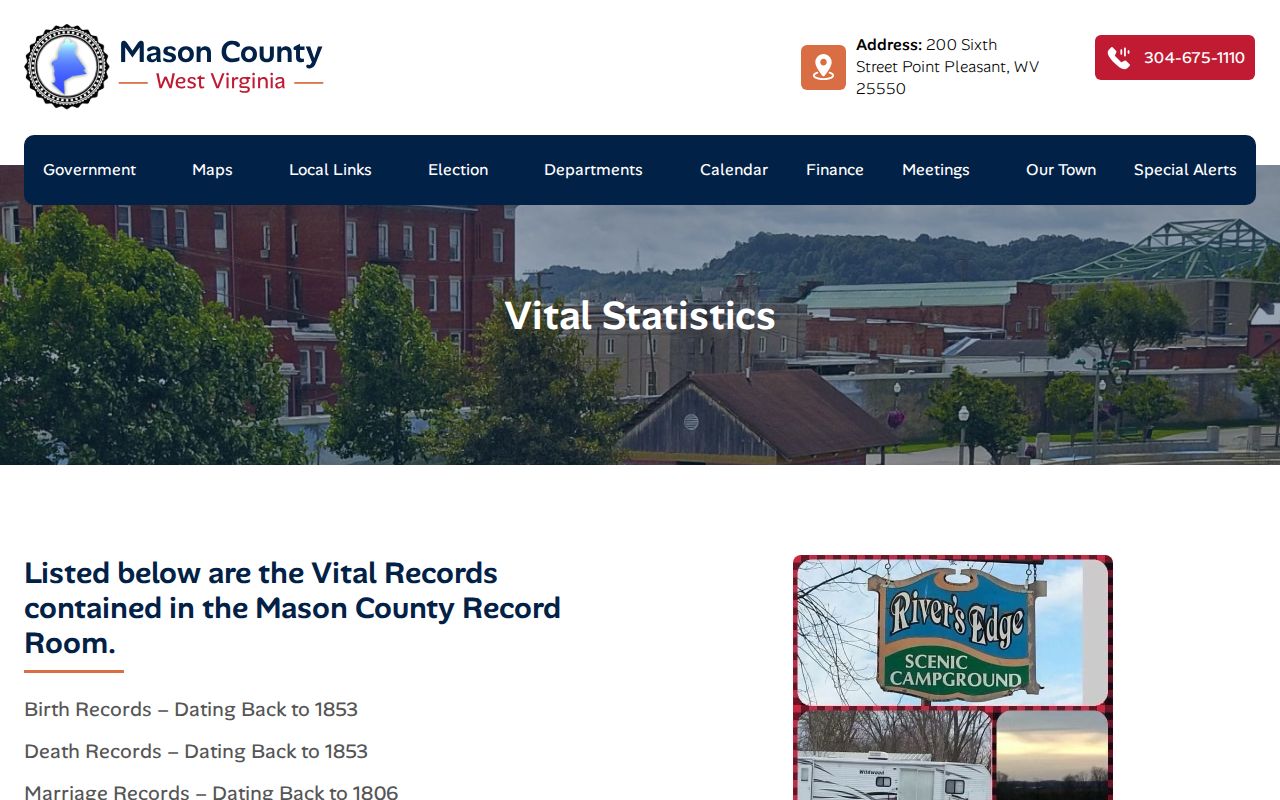
Use the date range only to frame a Clerk request. Never assume it shows what an online index covers. The Mason County Clerk office page identifies the Record Room for older deed and fiduciary-file questions.
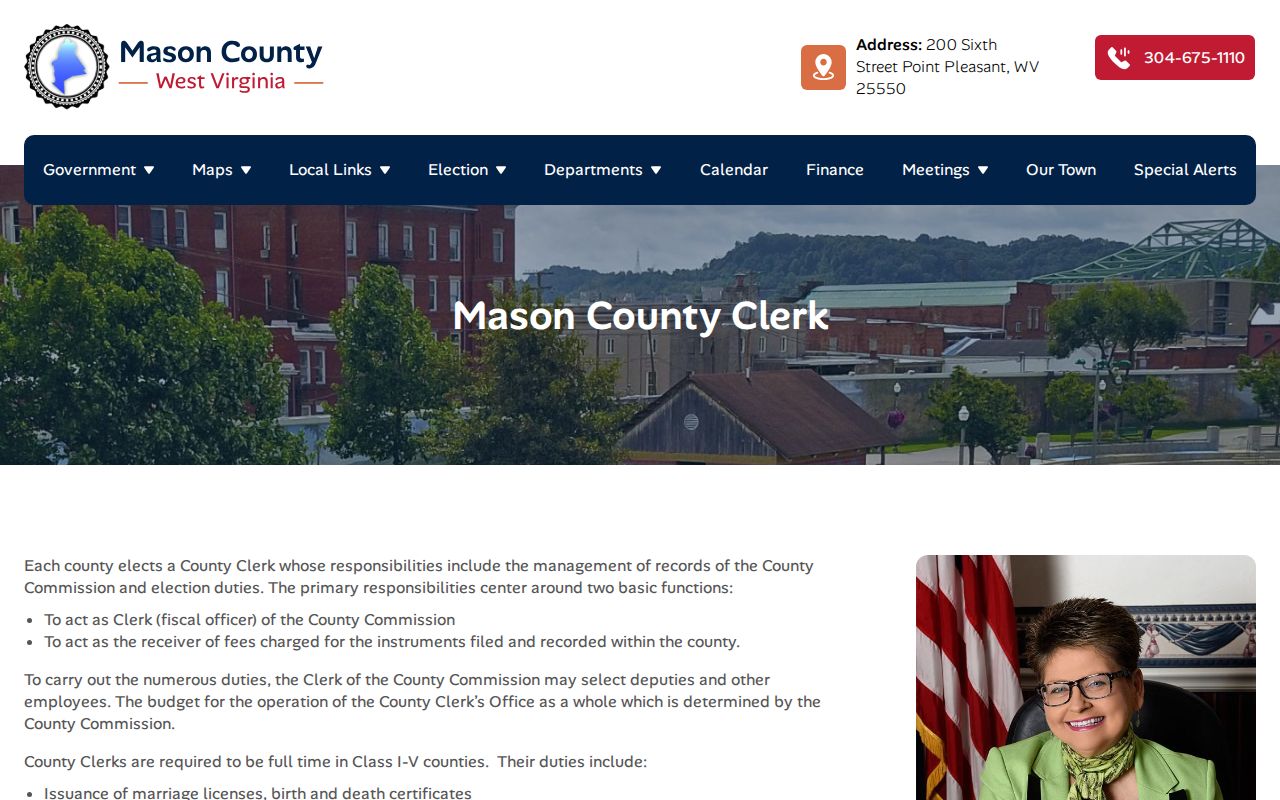
Ask staff which older books, indexes, or fiduciary files apply. A missing online result is not proof of a gap. The state Vital Registration certificate request page explains the certificate channel for family-history clues.
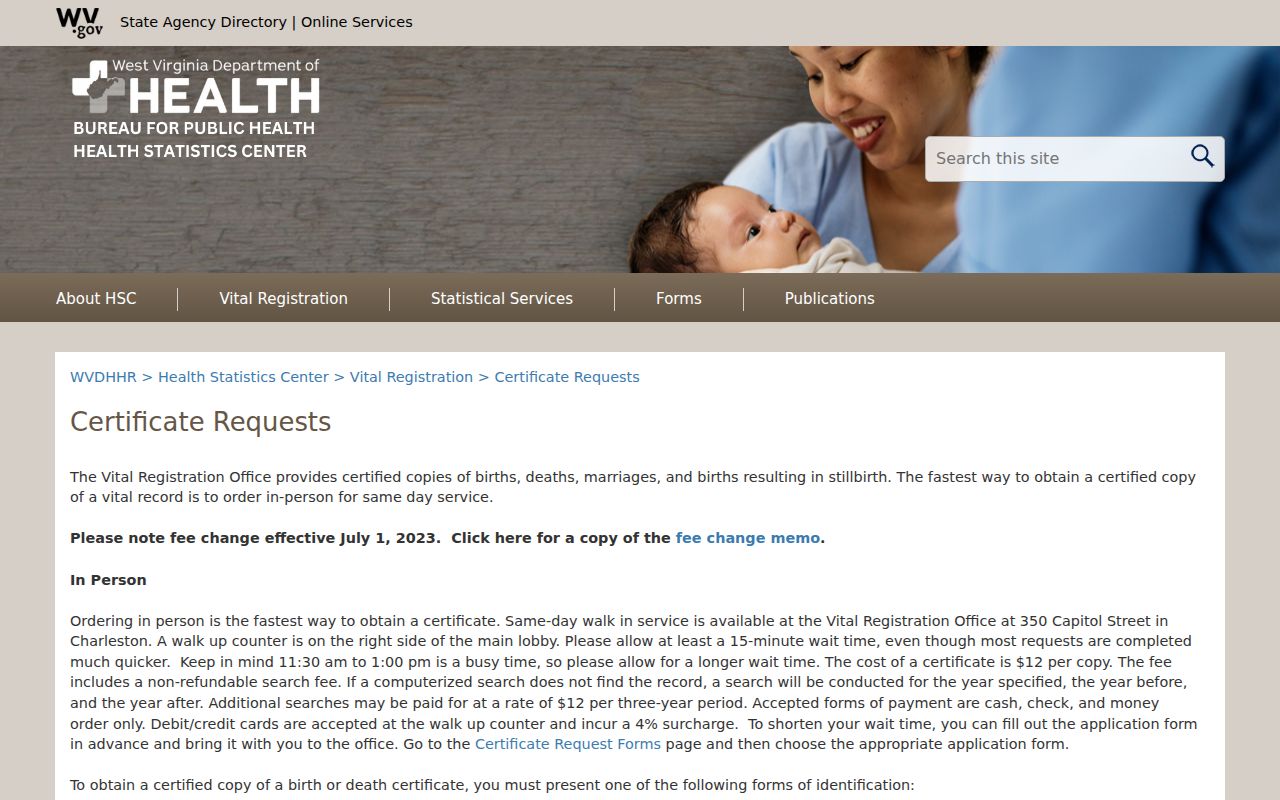
Certificates help sort similar names; the deed remains the record.
Walk the Mason County Chain
Log every deed as you go. Record the parties, the recording date, the instrument type, and the book/page or instrument number, plus the full legal description. Start with the current assessor owner. Search that party as grantee. Then read the grantor named in the deed and follow any prior-book reference. Repeat until the chain hits an estate, a sheriff, a trustee, a corporation, or a changed parcel description.
An address alone will not carry the search. A town lot may sit under an old lot-and-block label, while a rural tract may be described only by acreage and adjoining owners. Compare the description and acreage at each transfer, so a split, a combination, or a right-of-way is not mistaken for the same parcel. When a legal description changes, a recorded plat or boundary instrument usually explains why.
- Write the present parcel ID, current assessor name, and deed reference.
- Find the newest deed and transcribe its grantor, grantee, date, type, and description.
- Search the prior grantor as an earlier grantee, using the deed's prior reference.
- Repeat and mark each estate, trustee, sheriff, company, or court transfer.
- Ask the Clerk where the index ends online and what older record form to use.
- Grantor
- The party who conveys the interest.
- Grantee
- The party who receives it.
- Chain of title
- The ordered record of transfers tied to the same legal land.
- Legal description
- The written land description, which can outlast an address or parcel number.
- Prior deed reference
- A cited earlier instrument used to continue the search.
Mason County's Index Cutoff
The Clerk's page confirms local deeds back to 1804. It says nothing about an online index. Nor does it state what year any index reaches. The county's own page offers no searchable grantor-grantee form. Instead, ask whether staff use a public terminal, a vendor index, separate books, a tract cross-index, or paper index volumes, and which years each format covers.
If a clerk search stops at a certain year, treat that cutoff as the office's answer for the date you asked. Never repeat 1804 as an online date. Older volumes may need a different name index or a book-page reference. And a deed mentioned in a historical story is not evidence of a public web image.
Mason County's current courthouse is its second. It was completed in 1956. A local judiciary account notes an impression of the first courthouse in the sandstone exterior. No courthouse fire or lost deed period appears in the county's documented history.
Mason County Plats and Old Lots
A subdivision plat answers a common puzzle. An old deed describes a lot and block. The assessor shows a different parcel number. The Clerk's office holds the recorded plats, along with later releases, easements, and boundary instruments. Before tying an old owner name to a current parcel, ask for the exact plat book and page. Also request the original lot number, the filing date, and any vacation or re-subdivision.
State GIS clearinghouse tax maps can orient the search. A 2023 Mason tax map sits in the state archive. That PDF is not a substitute for the filed plat. It carries an assessor ownership and reproduction notice. Check the old deed's legal description against the recorded map. Then ask the Assessor to connect the historical district or map reference with the modern parcel ID.
Names and map numbers changed over time. A plat or an adjoining-owner call can beat a modern address. Keep the original wording in your notes.
Mason County Estate Transfers
Probate often explains a missing owner. A deed may name an executor, administrator, trustee, or heirs. That points toward a case file. The Clerk reports fiduciary records reaching back to 1840. Ask for the will index and the appointment. Also ask for the order authorizing sale and any distribution deed references. The probate file and the deed each answer a different part of the transfer.
Death certificates come from local and state vital-record offices, each with its own access rules. They do not establish land ownership. Treat them as identity or date context only. When a court order transfers property, request the recorded instrument itself. Request the court case from whichever office holds each record.
Mason County Chain Notes
Log one source for every link. One note, one link. Each note should carry the office, the book or case number, the date searched, the party spelling, the instrument type, the parcel description, and the next reference. Mark it whenever the trail jumps from deed books into a probate file or court case. That record trail helps you tell a gap in online access apart from a break in the historic chain.
Town lots need special care. For a Point Pleasant, New Haven, or Mason lot, keep the older lot or plat name beside the current parcel ID. A mailing city may not match the wording in an early deed. Map boundaries can shift too. Instead of normalizing the old description away, ask the Assessor or the Clerk how it connects to the active parcel. That habit saves hours later.
Read Mason Deeds Backward
Work grantee to grantor to find former owners. The grantor who conveyed to that grantee was once a grantee himself. Search him next. The prior reference on the latest deed can shorten the trip. But the old instrument's legal description still has to fit the present land. No public web index exists in that case. The Mason County Record Room can explain its in-person or staff search path.
- Find the current grantee's deed and copy its grantor, recording date, and prior instrument citation.
- Check the description, lot, acreage, and adjoining calls against the current parcel.
- Use the former grantor as the next grantee and repeat with the prior deed reference.
- When the index or book range ends, ask the Clerk which paper, terminal, or microfilm series continues it.
- Grantor / grantee
- Conveying party and receiving party on the deed.
- Chain of title
- Past recorded transfers tied to the same parcel.
- Legal description
- The written land description used to test whether an old transfer covers the same property.
- Quitclaim / warranty
- Different deed forms; read the recorded instrument rather than infer a guarantee from a name.
How Far Back Mason Deeds Reach
Mason County's deed series starts in 1804. The Clerk also cites marriages from 1806. Fiduciary records begin in 1840. Birth and death records follow in 1853. These dates frame a local historical search, yet the public record pages name no digital index year, no microfilm cutoff, and no complete archive route. Ask the Record Room which volumes and indexes survive for your parcel and era.
Statewide vital registration arrived in 1917. Land records stayed a county recording job. For a chain crossing an estate, pair the county fiduciary record with the deed. When a parcel changes shape, compare the plat, the acreage, and the legal description. Mason County records no courthouse fire, so investigate a gap rather than presuming a lost decade.
Lawful use. Former-owner research is appropriate for house history, title diligence, and estate questions. Do not use names or addresses to track, harass, threaten, or harm anyone.